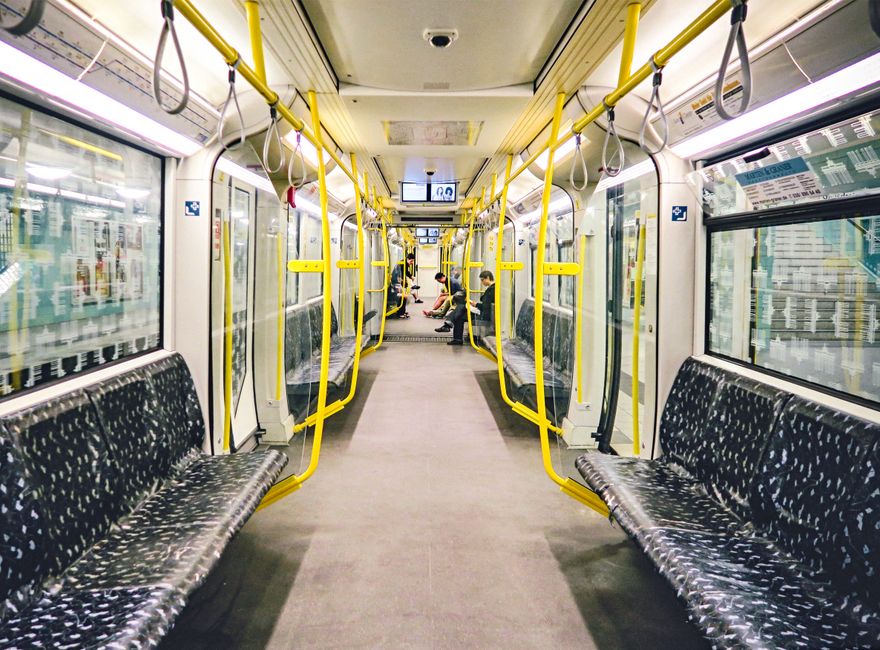
Bow Road station upholstery cleaning for commuters: a practical guide for fresher journeys
If you commute through Bow Road station, you already know how quickly upholstery can pick up the marks of everyday travel. A coffee splash on the train seat, a damp coat brushed against a bus cushion, crumbs in a waiting area chair, or that slightly stale smell that builds up by Friday afternoon - it all adds up. Bow Road station upholstery cleaning for commuters is about dealing with that reality in a sensible, efficient way, so seating stays fresher, more hygienic, and more comfortable for the people using it day after day.
This guide explains what the service involves, why it matters, how professional cleaning works, and what commuters, landlords, office managers, and local property teams should look for when arranging it. You will also find a simple step-by-step process, a comparison of methods, a practical checklist, and answers to common questions. Nothing fluffy. Just the useful stuff, properly explained.
Why Bow Road station upholstery cleaning for commuters matters
Bow Road sits in a busy part of East London, and that means upholstery in nearby homes, offices, waiting areas, and shared transport spaces sees a lot of use. Commuters bring in more than just themselves. They bring rain, street dust, food residues, body oils, bike grime, and the occasional mystery stain that nobody wants to claim. To be fair, it is normal. But normal does not mean harmless.
Upholstery acts a bit like a sponge. Fabrics trap debris, odours, and moisture in the fibres, and over time that can make seating look tired long before the fabric is actually worn out. In busy commuter environments, regular upholstery cleaning is less about perfection and more about maintaining a clean, welcoming, and reasonably healthy space. That matters whether you are managing a small office near the station, keeping a flat rental ready for the next tenant, or simply trying to make your sofa feel less like the end of a long week.
There is also a comfort side to this. People notice clean seating. They sit differently, linger longer, and generally feel better in a space that smells fresh and looks cared for. A chair that feels clean sends a message. A grubby one sends another, and usually not the one you want.
If the area you manage also includes carpets or hard floors, pairing upholstery care with professional carpet cleaning or hard floor cleaning can make the whole environment feel noticeably better without turning everything upside down.
Expert summary: For commuter-heavy spaces, upholstery cleaning is not a luxury detail. It is part of keeping shared seating presentable, reducing build-up, and extending the life of the furniture people use every day.
How Bow Road station upholstery cleaning for commuters works
Professional upholstery cleaning usually starts with identifying the fabric, the level of soiling, and any problem spots. That sounds simple, but it matters. A velvet armchair, a synthetic office chair, and a leather waiting-room seat all need different handling. One wrong product and you are not cleaning anymore - you are creating a repair problem. Nobody wants that conversation.
The process normally includes inspection, vacuuming, stain assessment, pre-treatment, the main cleaning stage, and controlled drying. Depending on the material and the condition of the item, the cleaner may use hot water extraction, low-moisture cleaning, foam cleaning, dry cleaning methods, or targeted spot treatment. The right method depends on the fabric, not on whatever happens to be quickest.
For commuter spaces, timing is often just as important as technique. Cleaning may need to happen before opening hours, after the evening rush, or during a narrow maintenance window. That is where planning matters more than people expect. A good clean that blocks access all day can be more trouble than it is worth. The best approach is the one that fits the rhythm of the space.
If you want a broader reset rather than a single spot clean, deep cleaning can be a sensible option because it tackles the hidden build-up that normal surface wiping misses.
What a typical service includes
- Pre-inspection of upholstery type and condition
- Vacuuming to remove loose grit and crumbs
- Spot treatment for visible marks and high-traffic areas
- Fabric-safe cleaning method selected for the material
- Odour reduction where needed
- Drying advice so the furniture is ready as soon as possible
The best cleaning teams will also tell you what they cannot safely remove. That honesty is useful. It is much better than a confident promise followed by a patchy result and a damp sofa that still smells faintly of coffee.
Key benefits and practical advantages
Clean upholstery does more than look tidy. In a commuter setting, it solves several practical problems at once.
- Better presentation: Fresh seating makes a workplace, reception area, or shared property feel looked after.
- Improved comfort: Nobody enjoys sitting on a sticky or dusty chair, especially after a crowded morning journey.
- Odour control: Regular cleaning helps reduce the build-up of food smells, dampness, and stale air.
- Longer fabric life: Dirt particles act like fine sandpaper inside fibres, so removing them helps reduce wear.
- More consistent hygiene: Upholstery that is maintained properly tends to hold less visible grime and residue.
- Lower replacement pressure: Good maintenance usually delays the need to replace chairs, sofas, and soft seating.
There is a small but important psychological effect too. People behave differently around cleaner spaces. They are more likely to treat the furniture carefully, and that can reduce future damage. Little things, but they add up.
If your property or business also needs a one-off reset after a particularly messy period, it may be worth combining upholstery work with one-off cleaning for a more complete refresh.
Who this is for and when it makes sense
Not every seat needs immediate professional attention, but Bow Road station upholstery cleaning for commuters is especially useful for people and organisations dealing with frequent footfall or repeated use.
Typical users
- Commuters in shared homes: Flatmates and households where coats, bags, and shoes bring a lot of city dirt inside.
- Local offices: Waiting-room chairs, meeting-room seating, and breakout furniture that gets used heavily.
- Rental property owners: Sofas and dining chairs that need to stay presentable between occupants.
- Small hospitality spaces: Cafes and reception areas where first impressions matter.
- Families using public transport daily: Furniture at home can become the catch-all for real life, which is another way of saying spills happen.
It makes sense when stains keep returning, when odours do not shift with basic cleaning, or when the fabric simply looks dull even after vacuuming. Sometimes you will notice the sofa looks fine in daylight but takes on that slightly tired look at night under warm indoor lighting. That is often the moment people realise the furniture needs more than a quick wipe.
If the seating is in an office or commercial setting, linking the upholstery work with office cleaning can create a more balanced result across the entire space.
Step-by-step guidance
Here is a practical way to approach the job without overcomplicating it.
- Identify the upholstery type. Check labels if available, or note whether the material is fabric, microfibre, leather, or a mixed finish.
- Look at the problem areas. Is this general dullness, one large stain, odour, or a combination?
- Vacuum thoroughly. Dry debris should come out before any liquid or foam is used.
- Test a small hidden patch. This is basic, but people skip it. Then regret it.
- Select the correct cleaning method. Low-moisture or extraction methods are not interchangeable.
- Treat stains carefully. Blot, do not scrub. Scrubbing can push marks deeper into the fibres.
- Allow controlled drying. Open windows if suitable, or use gentle airflow. Do not rush seating back into use too soon.
- Check the finish. Once dry, inspect for residue, stiff patches, or missed spots.
For anyone handling this themselves, the key is restraint. The instinct is often to use more product and more pressure. That is usually the wrong move. Gentle and methodical tends to win.
A simple home-safe approach for minor marks
- Blot fresh spills immediately with a clean dry cloth
- Use a fabric-safe cleaner sparingly
- Avoid soaking cushions
- Work from the outside of the stain inward
- Let the area dry fully before using it again
If the item is valuable, delicate, or expensive to replace, a specialist approach is the safer bet. No contest really.
Expert tips for better results
In our experience, the difference between an average result and a genuinely good one often comes down to the small stuff.
- Act fast on spills. A fresh stain is usually far easier to manage than a dried one.
- Match the method to the fabric. The cleaning chemistry matters more than the amount of scrubbing.
- Do not over-wet cushions. Excess moisture can cause long drying times and sometimes odour problems.
- Clean high-contact zones first. Armrests, headrests, and seat edges often carry the most grime.
- Rotate cushions where possible. Even wear is easier to maintain than trying to rescue one crushed side later.
- Plan for drying time. A clean seat that stays damp is not done yet, however nice it looks.
A small practical tip: if a chair or sofa is near a station commute route, treat the entry-side arm and the seat front as high-risk zones. That is where bags, coats, wet fabric, and coffee cups do the most damage. Funny how the same spot always seems to suffer first.
For stain-heavy items, some people also choose to pair upholstery work with sofa cleaning or rug cleaning so the room feels consistent rather than half-done.
Common mistakes to avoid
Most upholstery damage from cleaning is avoidable. That is the annoying part. The good news is that you can dodge it with a few common-sense habits.
- Using the wrong cleaner: Bleach, harsh detergents, and strong solvents can cause discolouration.
- Scrubbing too hard: This can fray fibres and spread the stain.
- Ignoring the fabric code: If the manufacturer's cleaning guidance exists, follow it.
- Over-wetting: Too much water can lead to longer drying times and hidden moisture in the filling.
- Cleaning only the visible stain: This often leaves a ring or patchy finish around the treated area.
- Putting furniture back into service too early: Damp upholstery attracts more dirt and can get marked again.
One other thing. People sometimes assume a strong smell means a cleaner product. Not necessarily. Some scents are just perfume layered over dirt. That is not the same as clean, and your nose usually knows it.
Tools, resources and recommendations
You do not need a warehouse full of kit to maintain upholstery properly, but a few sensible tools make a real difference.
- Upholstery attachment vacuum: Useful for removing grit without damaging fabric.
- Microfibre cloths: Good for blotting spills and lifting light surface marks.
- Soft brush: Helps raise fibres gently before vacuuming.
- Fabric-safe spot cleaner: Choose one that suits the material and use it sparingly.
- Fan or ventilation support: Helps shorten drying time after cleaning.
- Protective covers or throws: Helpful for especially busy commuter households or waiting areas.
When people ask what the best resource is, the answer is often not a gadget. It is a proper inspection and a sensible plan. If the job feels bigger than a routine tidy, it is usually worth using a professional cleaner rather than gambling with a DIY fix that might leave tide marks and regret. That's the honest answer.
For broader support with property upkeep, you may also find domestic cleaning useful when upholstery care needs to sit alongside wider home maintenance.
Law, compliance, standards and best practice
For most commuters and property owners, upholstery cleaning is not a heavily regulated activity in the way some construction or medical work is. Still, there are sensible UK best practices worth following.
Professionals should use suitable chemicals safely, follow manufacturer instructions where available, and manage ventilation and drying carefully. For workplaces, general health and safety duties apply, which means cleaning should be planned so it does not create slip risks, exposure to unnecessary chemicals, or blocked access routes. If you are managing a business or communal space, that part matters quite a lot.
Insurance, clear communication, and transparent service terms are also signs of a reliable provider. If you are checking a cleaning company, it is reasonable to review things like their insurance and safety information, their health and safety policy, and their terms and conditions. Not exciting reading, granted. But useful.
For commercial or communal settings, good practice also includes keeping records of maintenance, checking access arrangements, and making sure any cleaning schedule fits around peak commuter times. The clean should support the space, not disrupt it.
Options, methods and comparison table
Choosing the right upholstery cleaning method depends on the item, the fabric, and how quickly it needs to be back in use. Here is a simple comparison.
| Method | Best for | Pros | Watch-outs |
|---|---|---|---|
| Hot water extraction | Durable fabric upholstery with deeper soiling | Strong for embedded dirt and general refresh | Can take longer to dry; not ideal for delicate fabrics |
| Low-moisture cleaning | Busier spaces and quicker turnaround needs | Faster drying and less disruption | May be less aggressive on very heavy staining |
| Dry cleaning | Delicate fabrics or moisture-sensitive items | Reduced risk of saturation | May not remove all deep soil as effectively |
| Spot treatment | Specific stains or localised marks | Targeted and efficient | Best used as part of a fuller clean, not a full solution on its own |
For commuter-focused properties, low-moisture methods are often attractive because they fit tighter schedules. But if the sofa or chair is heavily soiled, a deeper extraction-style clean can be the better call. The "best" method is the one that balances fabric safety, result quality, and downtime.
Case study or real-world example
Picture a small office a short walk from Bow Road station. Staff commute in on wet mornings, leave bags under desks, and use the same reception chairs every day. After a few months, the arms start looking darker, the front edges collect grime, and the room carries a faint odour that nobody can quite place. Nothing dramatic. Just that slow drift into looking tired.
Rather than replacing the chairs, the team arranges a targeted upholstery clean outside working hours. The cleaner pre-vacuums each seat, treats the contact areas, and uses a method suitable for the fabric type. By the next morning, the seating looks lighter, smells fresher, and feels more welcoming. The office manager also decides to pair the service with window cleaning and a routine cleaning company schedule so the whole space stays in better shape. Simple decision, better result.
That is the real value here. Not magic, not perfection. Just a cleaner, calmer space that does not make people wrinkle their nose the moment they sit down.
Practical checklist
Use this checklist before booking or carrying out upholstery cleaning for a commuter-heavy space.
- Identify the upholstery material
- Check for manufacturer cleaning guidance if available
- Note all visible stains and odours
- Decide whether the job needs spot treatment or a full clean
- Confirm how long the area can stay out of use
- Ask what method will be used and why
- Make sure ventilation and drying are planned
- Protect nearby surfaces and flooring
- Review safety, insurance, and service terms
- Set a realistic follow-up cleaning schedule
If you are arranging cleaning for a rented property, office, or communal space, it can also help to discuss broader upkeep alongside end of tenancy cleaning or cleaners for ongoing support.
Conclusion
Bow Road station upholstery cleaning for commuters is really about keeping busy, high-use spaces comfortable, fresh, and practical. It helps protect furniture, reduces the build-up of grime and odours, and makes everyday life feel a bit less worn around the edges. That matters more than people sometimes admit.
Whether you are looking after a sofa at home, seating in a local office, or shared furniture in a commuter-heavy property, the same principles apply: choose the right method, avoid over-wetting, clean before dirt becomes embedded, and plan for proper drying. Do that, and the results usually speak for themselves.
Get a free quote today and see how much you can save.
And if nothing else, there is something quietly satisfying about sitting down at the end of the day and knowing the seat you are sinking into is actually clean.
Frequently Asked Questions
What is Bow Road station upholstery cleaning for commuters?
It is upholstery cleaning designed for people and properties around Bow Road station that see frequent daily use. The focus is on removing dirt, stains, and odours from sofas, chairs, and other soft furnishings in busy commuter environments.
How often should commuter-facing upholstery be cleaned?
It depends on use, fabric type, and how quickly marks appear. High-traffic seating usually benefits from regular maintenance rather than waiting until it looks obviously dirty. For some spaces, that might mean scheduled cleaning every few months.
Can upholstery be cleaned without leaving it soaking wet?
Yes. Low-moisture methods are often used when quick drying is important. The right approach depends on the fabric and the level of soiling, but good upholstery cleaning should not leave cushions drenched.
Is upholstery cleaning safe for delicate fabric?
It can be, provided the cleaner uses a method suited to the fabric. Delicate materials often need gentler handling, testing, and lower-moisture treatment. If in doubt, the fabric should be assessed before any product is applied.
Will upholstery cleaning remove old stains?
Sometimes, but not always completely. Age, stain type, and previous DIY attempts all affect the outcome. A professional can usually improve the appearance significantly, even if a stain cannot be removed entirely.
How long does upholstery take to dry after cleaning?
Drying time varies by method, material, room temperature, and airflow. Low-moisture cleaning typically dries faster than deeper extraction methods. Good ventilation always helps.
Do I need upholstery cleaning if the furniture looks clean?
Quite possibly, yes. Upholstery can hold dust, oils, and odours even when it looks acceptable on the surface. Sometimes the first clue is smell or feel rather than visible dirt.
What should I do before the cleaner arrives?
Clear the area, note any stains, and identify the upholstery type if you can. If the furniture has loose cushions or removable covers, mention that in advance so the cleaner can plan properly.
Can upholstery cleaning be combined with other services?
Yes, and that is often sensible in busy commuter properties. Pairing it with carpet care, office upkeep, or broader household cleaning can make the whole space look more consistent.
Is it worth booking professional cleaning instead of doing it myself?
If the item is valuable, heavily used, or stained, professional cleaning is usually the safer choice. DIY methods are fine for minor spills, but they can go wrong quickly if the fabric is delicate or the stain is set in.
What makes a good upholstery cleaning provider?
A good provider should explain the method clearly, inspect the fabric first, use safe products, and be honest about expected results. Clear policies, insurance, and sensible communication are all good signs.
Can upholstery cleaning help with odours from commuting clothes and daily use?
Yes, it often can. Fabrics can absorb smells from rain, food, sweat, and general city life. Cleaning helps reduce that build-up and leaves the seating feeling fresher overall.