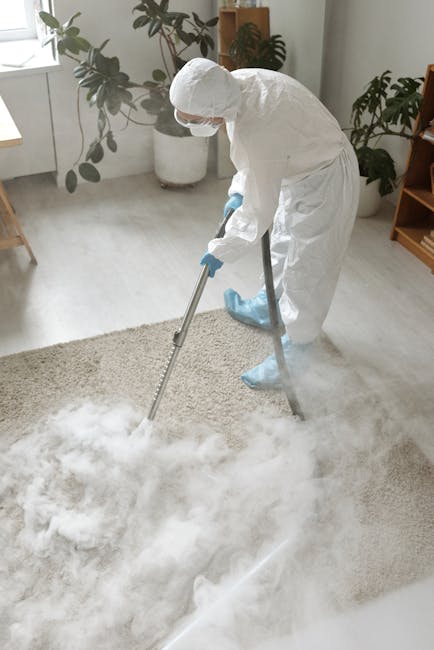
Carpet Cleaning in E3

Carpet cleaning in E3 should do more than make a room look brighter for a day; it should remove the soil that settles into the pile, improve the feel underfoot and help carpets stay presentable for longer. Our service is built around practical cleaning for homes and small workplaces that need careful attention to the fibre type, level of marking and everyday use. We focus on a finish that is clean, even and suited to the material rather than pushed through with a one-size-fits-all method.
Different carpets respond differently to hot water extraction, low-moisture methods and targeted stain treatment, so the work begins with a proper look at the surface and any problem areas. A hallway runner, a lounge carpet and a fitted office floor may all need a slightly different approach, even when they are cleaned during the same visit. That measured approach helps reduce over-wetting, preserves the appearance of the pile and keeps the process suitable for routine upkeep or a deeper reset.
If you are comparing options, it can help to ask what level of soil removal is realistic for your carpet and what kind of finish is likely after cleaning. Careful preparation, suitable products and controlled drying all matter more than a rushed promise. When you are ready, make an enquiry and ask for a quotation in plain terms so the work can be matched to your carpet and the rooms involved.
Deep carpet care for busy rooms
Carpets in entrance areas, living rooms and circulation spaces tend to collect grit, dust and fine debris that ordinary vacuuming cannot fully remove. Our deeper carpet cleaning work is designed for those areas where the pile looks duller, flattens more quickly or holds marks from day-to-day use. In these cases the aim is not only to improve appearance but also to lift embedded soil from deeper within the carpet structure, using a method that suits the fibre and the surface condition.
We pay attention to the practical details that shape the outcome, including the type of weave, the texture of the carpet and whether there are spots from food, drink, muddy footwear or general traffic. Some areas need pre-treatment before the main clean, while others benefit from a slower, more controlled pass to avoid pushing marks further into the pile. A sensible clean is usually about balance: enough action to make a difference, but not so much agitation that the carpet is left overly damp or distorted.
Common carpet problems and how they are handled

Spills and marks are often the first reason people look for professional carpet cleaning, but different stains behave differently. Fresh liquid marks may be easier to treat than older residues, yet dried spills can still respond well when the right pre-treatment is used. We work carefully around colourfastness, pile direction and the risk of spreading a mark wider than it already is. That means using a targeted approach rather than treating every stain as if it were the same substance.
Odour and dullness can also build up even where a carpet has no obvious single stain. This can happen in rooms with pets, frequent foot traffic or limited natural airflow. In those cases the value of cleaning is often in restoring freshness across the whole surface and lifting the general layer of soil that makes a room feel tired. Where suitable, focused attention can also be given to edges, thresholds and other areas that receive repeated wear.
For a useful quotation, it helps to note the room count, the carpet type if known and whether there are specific spots that need extra treatment. You do not need to write a long brief; a simple description is enough to shape the work. Clear information helps us match the method to the carpet and avoid unnecessary guessing. If you are unsure, describe the visible issue and we can advise on the next step.
Methods suited to different fibre types
Not all carpets are made to be cleaned in the same way. Wool, synthetic blends and more delicate fibres can react differently to water, detergents and mechanical action, so the chosen method needs to suit the carpet rather than follow a fixed script. Our service is centred on selecting an approach that supports the material, the pile and the room’s conditions. That may involve a deeper extraction clean, a lighter maintenance clean or a more measured treatment for sensitive areas.
Where the carpet construction allows it, a fuller wash can help remove embedded debris from the fibres and leave the pile looking fresher. In other situations, especially where fibre movement or moisture management is a concern, a lower-moisture process may be the more suitable option. The point is to clean effectively while respecting the structure of the carpet. That practical judgment matters just as much as the cleaning itself, because the best result is one that looks good and remains stable once dry.
What a sensible clean includes

A good carpet clean is usually built from several parts rather than one single action. First comes inspection, so the condition of the carpet, the heavier marks and the room layout can be understood. Next comes preparation, which may include vacuuming, light agitation or pre-treatment of marked sections. The main clean then removes loosened soil, and the finishing stage helps settle the fibres and leave the surface ready for normal use again. Each stage supports the next.
In practical terms, this can help with a range of issues that homeowners and landlords often notice, including flat-looking traffic lanes, patchy dullness and the visible outline of tracked-in dirt near doors and seats. It is also useful where a carpet needs to look more even across the room rather than clean in just one obvious spot. When handled properly, the work supports a more consistent finish and avoids the uneven appearance that can come from trying to spot-clean everything separately.
Useful details to have to hand when asking for a quotation:
- How many rooms or fitted areas need cleaning
- Whether the carpet has visible stains, pet marks or heavy traffic wear
- The approximate fibre type, if known
- Whether stairs, landings or hallways are included
- Any access issues or furniture that may affect the work
Supporting carpets in homes and shared spaces
Carpet cleaning is often requested in private homes, but it can also be useful in shared or lightly used commercial spaces where the floor covering plays a big part in the room’s presentation. Reception areas, meeting rooms and similar spaces may not suffer the same wear as a family hallway, yet they still collect dust and marks that affect the overall impression. Our work can be planned around those usage patterns so the clean matches the way the space is actually used.
In domestic settings, attention often turns to lounges, bedrooms, stairs and landings, with each area needing a slightly different level of care. Stairs and narrow runs may need more detailed work because they are harder to clean evenly and often show wear along the tread line. Bedrooms can be more about freshness and dust removal, while living rooms may need stronger stain treatment and a fuller refresh. The service can be tailored to the rooms that matter most without treating every carpet as identical.
About E3
E3 is a postcode district in east London, covering parts of Tower Hamlets and neighbouring stretches of the Lea Valley. It includes areas such as Bow and Bromley-by-Bow, where late nineteenth- and twentieth-century housing sits beside newer development and transport infrastructure. The district is shaped by major routes including the A11 and A12 corridors, while the London Underground and Docklands Light Railway give the area a strong connection to the wider city. Bow Road and Mile End Road form some of the best-known thoroughfares, and the district also links closely with nearby Stratford and the waterways to the east. The character of the area reflects long periods of change: older terraces, estates, commercial premises and regeneration projects sit within a part of London that has repeatedly adapted to population growth, industry, housing demand and shifting patterns of travel. Local open space is an important part of that mix, with Victoria Park nearby providing a major historic landscape for recreation and events, and the canals and river channels of the Lea Valley adding a distinctive water-edge setting. The result is a district that feels urban and varied rather than uniform, with its streets, transport links and public spaces all contributing to the identity of the postcode area.
Choosing a clean that fits the carpet

One of the most useful parts of arranging carpet cleaning is deciding how much intervention is actually needed. Some carpets respond well to a maintenance clean that lifts surface soil and refreshes the pile, while others need a deeper treatment because of heavy wear or visible marking. The right choice depends on the condition of the carpet, the desired finish and how soon the room needs to be back in use. A careful assessment can prevent over-treating a surface that only needs a light refresh.
If a carpet has several different issues at once, it is often better to address them in sequence. For example, a main traffic lane may need attention before small edge marks are treated, because cleaning the whole zone first gives a more even result. Likewise, heavily marked areas may need pre-treatment before the main wash, while general dullness can sometimes be lifted at the same time across the whole floor. This approach keeps the work orderly and reduces the chance of patchy results.
We can advise on the most suitable method once the room type, carpet condition and visible issues are described. If you are planning around a move, a tidy-up or seasonal maintenance, say so when you ask for a quotation. That helps keep the scope clear and makes it easier to prepare the right clean for the floor covering involved.
Room by room carpet attention
Different rooms place different demands on carpets, and the cleaning plan should reflect that. Hallways and entrances usually need a focus on grit, tracked-in dirt and visible traffic lines. Living rooms may need a blend of soil removal and stain treatment, especially where drinks, snacks or pets are part of everyday life. Bedrooms often benefit from a gentler refresh that improves overall cleanliness without unnecessary treatment to lightly used fibres.
Where there are several rooms in one property, the work can be organised so the most demanding areas receive the most attention first. That is often the sensible order when time, access or drying considerations matter. It also avoids the mistake of giving every room the same treatment even though the level of soiling is different. A good clean should respect the condition of each room rather than flattening it into a single routine.
Preparing for carpet cleaning and arranging access

A little preparation can make the visit more straightforward. It helps to clear away small loose items, identify any furniture that will stay in place and point out the areas that need extra care. If there are delicate items near the carpet edges, let us know in advance so the work can be carried out neatly around them. None of this needs to be complicated; the goal is simply to reduce avoidable delays and make the clean more focused.
When asking for a quotation, it is also useful to say whether the carpet is part of a larger clean, such as a one-off refresh or a move-related tidy-up. That context helps shape the scale of the work without making unnecessary assumptions about the rooms. If you have photographs or a short list of rooms, those can be helpful, but a brief description is usually enough to begin. Keep the note practical and direct so the reply can be equally clear.
For a straightforward next step, send the room details and ask for a quotation. If you already know the carpet type, include it; if not, describe the material as best you can. Clear, simple information usually leads to a better match between the work and the result. You can also contact us now to discuss the clean and arrange the most suitable option.
Finishing touches and drying considerations
Once the main clean is complete, the final stage is about leaving the carpet in a sensible condition for everyday use. That means checking that the surface has been cleaned evenly, that treated areas do not stand out awkwardly and that the pile has been left as neat as possible. Some carpets also benefit from light grooming to help the fibres settle in the right direction and improve the visual finish once dry. These finishing details matter because they influence how the room looks after the equipment is away.
Drying is another practical part of the process. The amount of moisture used, the pile construction and the room’s airflow all affect how quickly a carpet can return to normal. A well-chosen method should aim to clean effectively while keeping drying manageable. Where necessary, the work can be planned around room use so the carpet has space to settle properly before heavier foot traffic resumes. That is one reason why a tailored approach is more useful than a fixed routine.
If you would like to move ahead, ask for a quotation and tell us which rooms need attention. The more accurately the scope is described, the easier it is to match the service to your carpet and your schedule. Plain details are enough; there is no need for a long explanation. For a neat, practical result, request your carpet cleaning quote today.