End of Tenancy Cleaning in E3: A Practical, SEO-Friendly Approach to a Stress-Free Move
If you are moving out of a flat, house, or shared property in East London, end of tenancy cleaning in E3 is one of the most important tasks on your checklist. A thorough clean can make the difference between a smooth handover and a stressful dispute over the deposit. Whether you are a tenant, landlord, or letting agent, understanding what end of tenancy cleaning in E3 involves helps you plan better, clean smarter, and leave the property in excellent condition.
End of tenancy cleaning in E3 is not just about making the place look tidy. It is about restoring the property to a condition that meets the expectations of landlords, inventory clerks, and new occupants. In a busy area like E3, where rental homes range from modern apartments to older terraces, the level of cleaning required can vary. Still, the core idea remains the same: every room should be cleaned carefully, every high-touch surface should be addressed, and every overlooked corner should be brought back to a presentable standard.
For many renters, moving day is already full of pressure. Packing, removals, paperwork, and key handover can be overwhelming. That is why planning end of tenancy cleaning in E3 early makes a real difference. With the right approach, you can reduce last-minute stress, improve your chances of getting your deposit back, and avoid unnecessary disagreements at checkout. Book your service now if you want to save time and make the process far easier.
Why End of Tenancy Cleaning in E3 Matters

Many tenants underestimate the value of a proper move-out clean until the final inspection arrives. End of tenancy cleaning in E3 matters because it directly affects how the property is judged against the inventory report. Even if a home has been lived in carefully, everyday use leaves behind grease, dust, fingerprints, soap residue, and limescale. These signs build up over time and can stand out strongly once the furniture is removed.
Landlords and letting agents expect a level of cleanliness that goes beyond standard weekly tidying. That usually means deep cleaning kitchens, scrubbing bathrooms, wiping skirting boards, cleaning inside cupboards, and removing visible buildup in places that are easy to miss during normal housekeeping. For tenants, a professional approach to end of tenancy cleaning in E3 can protect a deposit and make the final inspection much less stressful.
It is also worth remembering that E3 covers a varied rental market. From Bow to Bromley-by-Bow and nearby areas, properties can differ in age, layout, and condition. Older buildings may require more attention to detail, while newer homes may need careful treatment of appliances, glass surfaces, and fixtures. In every case, a well-planned end of tenancy cleaning in E3 helps present the property at its best.
What Makes End of Tenancy Cleaning Different from Regular Cleaning?
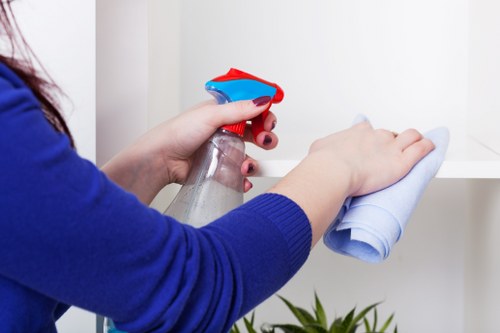
Regular domestic cleaning keeps a home comfortable and liveable. End of tenancy cleaning in E3, however, is much more detailed and intensive. It is usually designed to meet inspection standards rather than general household standards. That means the clean should cover areas that may not be touched every week, such as behind appliances, inside drawers, under sinks, and around door frames.
A standard weekly clean might focus on visible surfaces, floors, and general organisation. By contrast, end of tenancy cleaning in E3 demands deeper work in every room. Kitchens often need degreasing, oven cleaning, sink descaling, and cabinet wiping. Bathrooms need limescale removal, mould spot treatment, and polishing of taps and glass. Bedrooms and living spaces need dusting of all fixtures, vacuuming of edges, and detailed attention to corners and surfaces.
End of tenancy cleaning in E3 is also different because it is judged against the condition of the property when the tenancy began. If an inventory check recorded clean carpets, polished mirrors, and spotless appliances, the return condition may be expected to match that level. This is why many tenants treat the final clean as a serious task rather than a quick tidy-up.
Key Areas Covered in a Proper End of Tenancy Clean
A strong end of tenancy cleaning in E3 usually covers the full property, room by room. The aim is to remove visible dirt and restore cleanliness across all accessible areas. While exact expectations may vary by landlord or agency, the following spaces are typically included:
- Kitchens: cupboards, worktops, splashbacks, sinks, taps, extractor fans, ovens, hobs, fridges, and floors.
- Bathrooms: toilets, sinks, baths, showers, tiles, mirrors, taps, glass screens, and limescale-prone areas.
- Bedrooms and living rooms: dusting, vacuuming, skirting boards, light switches, doors, shelves, and internal windows.
- Hallways and stairs: handrails, corners, stair edges, banisters, and flooring.
- Utility areas: washing machines, dryers, cupboards, pipes, and surrounding surfaces.
For many properties, end of tenancy cleaning in E3 also includes attention to details that are often overlooked. These can include removing cobwebs, cleaning behind freestanding furniture, wiping top edges of doors, and polishing mirrors or glass panels. The cleaner the finish, the better the property appears during the final check.
It is smart to think in terms of presentation and function. An area may look tidy at a glance, but if dust sits on top of cupboards or grease remains near the hob, it can still fail an inspection. That is why detailed end of tenancy cleaning in E3 tends to focus on completeness rather than speed.
Kitchen Cleaning: The Heart of the Move-Out Job

The kitchen is often the most demanding part of end of tenancy cleaning in E3. It is also one of the rooms landlords inspect most closely, because it tends to show signs of daily use more clearly than other spaces. Grease on cabinets, crumbs in drawers, food marks on splashbacks, and limescale around the sink can all stand out immediately.
A thorough kitchen clean should start with clearing the area and checking every storage space. Cupboards, drawers, shelves, and handles should be wiped inside and out. Appliance surfaces should be cleaned with suitable products, and built-up residue around the hob and extractor fan should be removed. If the oven is part of the tenancy agreement, it usually needs extra care as well.
End of tenancy cleaning in E3 also means dealing with hidden areas in the kitchen. Behind the fridge, under the sink, around the bin area, and underneath freestanding appliances are all common places where dust and grime collect. These spots may not be obvious while living in the property, but they often matter during an inspection. Attention to detail is everything here.
Useful Kitchen Checklist
- Clean oven trays, racks, doors, and seals
- Degrease cabinets, cupboard fronts, and handles
- Descale sinks, taps, and drains
- Wipe all counters and splashbacks
- Vacuum and mop floors thoroughly
If you want your end of tenancy cleaning in E3 to stand out for the right reasons, the kitchen is the room to focus on first. A spotless kitchen creates a strong impression and can influence the overall assessment of the property.
Bathroom Cleaning: Removing Limescale and Build-Up

Bathrooms can be deceptively difficult during end of tenancy cleaning in E3. Even when they appear fairly clean, they often contain limescale, soap scum, hidden mould spots, and water marks that only become visible after a close inspection. Because of the moisture in these rooms, surfaces need more than a quick wipe.
The main aim is to restore shine and hygiene. Toilets should be cleaned inside and out, sinks should be descaled, shower screens polished, and bath panels wiped down. Taps, fittings, and tile edges often need extra attention because they accumulate residue over time. Mirrors should be streak-free, and the floor should be vacuumed and mopped carefully.
In many cases, end of tenancy cleaning in E3 also involves cleaning bathroom cabinets, vents, and any shelving or storage spaces. Small areas like soap dishes, towel rails, and light switches can affect the final appearance more than you might expect. For a professional finish, every detail should look fresh and hygienic.
Bathroom Areas That Are Often Missed
- Behind the toilet base
- Sealant lines around the bath or shower
- Extractor fan covers
- Inside vanity units
- Edges of tile grout
When bathrooms are cleaned well, the entire property feels more prepared for the next occupant. That is why end of tenancy cleaning in E3 should always treat bathroom work as a priority rather than a final afterthought.
Bedrooms, Living Spaces, and Hallways: The Visible Finish

While kitchens and bathrooms are usually the hardest areas, bedrooms, living rooms, and hallways are the spaces that create the first impression when someone enters the property. End of tenancy cleaning in E3 should therefore ensure these rooms look bright, dust-free, and neatly presented.
These areas often require detailed dusting of shelves, skirting boards, radiators, light fittings, and window ledges. Carpets and hard floors should be vacuumed or mopped carefully, and any marks on doors, switches, or handrails should be removed. If the property includes built-in wardrobes or shelving, these should also be wiped inside and out.
End of tenancy cleaning in E3 is also about consistency. Every room should feel as if it has been treated with the same level of care. A spotless hallway leading to a dusty bedroom creates an uneven finish, which can be a problem during a checkout inspection. Keeping the whole home aligned in cleanliness helps present a strong overall standard.
Good Habits for Living Areas
- Vacuum along edges and under accessible furniture
- Dust lamps, frames, and shelves
- Clean fingerprints from doors and switches
- Check corners for cobwebs
- Wipe internal windows and sills
If your aim is to complete end of tenancy cleaning in E3 properly, do not focus only on the obvious dirt. The visual finish across the whole home matters just as much as deep-cleaning the main problem zones.
Carpets, Floors, and Upholstery Considerations
Flooring is a major factor in end of tenancy cleaning in E3, especially because different homes use different materials. Some properties have carpets throughout, while others feature laminate, vinyl, tiles, or a mix of surfaces. Each one needs a suitable cleaning method to avoid damage while still achieving a high standard.
Carpets should be vacuumed thoroughly, with extra attention around edges, under beds, and along skirting boards. If stains are present, they should be treated carefully rather than scrubbed aggressively. Hard floors need sweeping, vacuuming, and mopping, with attention to corners and under appliances. Shiny floors can dramatically improve the overall appearance of a home after the rest of the clean is complete.
In some cases, tenants also need to consider upholstery or soft furnishings if they are provided as part of the tenancy. Cushions, sofas, and curtains may not always require deep treatment, but visible dust and marks should be addressed. End of tenancy cleaning in E3 is about returning the property in a clean and orderly state, and fabric surfaces play a role in that result.
How to Prepare Before Starting the Final Clean
Preparation can make end of tenancy cleaning in E3 much easier and more effective. Before you begin, remove personal belongings, box up loose items, and empty cupboards and drawers where possible. A cleared space allows you to clean more efficiently and helps prevent accidental damage.
It is also wise to check your tenancy agreement and inventory report in advance. These documents can clarify what is expected at the end of the tenancy. Some agreements specify professional oven cleaning, carpet cleaning, or additional requirements for furnished properties. Knowing these details ahead of time helps you avoid missing something important.
Another useful step is to gather the right supplies. Basic tools may include microfiber cloths, a vacuum cleaner, mop, bucket, descaler, degreaser, glass cleaner, and bathroom cleaner. If you are handling end of tenancy cleaning in E3 yourself, having the proper equipment will save time and improve results.
- Remove all personal items first
- Check inventory and tenancy requirements
- Gather suitable cleaning products
- Work room by room
- Leave time for final inspection before handover
Preparation is one of the simplest ways to reduce stress. When the property is organised and ready, end of tenancy cleaning in E3 becomes more manageable and the final outcome is usually much better.
Professional End of Tenancy Cleaning in E3 vs DIY Cleaning
Some tenants prefer to handle end of tenancy cleaning in E3 themselves, while others choose professional help to save time and effort. Both approaches can work, but the right option depends on your schedule, cleaning confidence, and the condition of the property.
DIY cleaning can be cost-effective, especially if the home is already well maintained and the tenant is organised. However, it often takes far longer than expected, particularly when deep cleaning kitchen appliances or removing stubborn bathroom residue. Without the right products or enough time, it is easy to miss details that matter during inspection.
Professional end of tenancy cleaning in E3 is often chosen by people who want a higher level of assurance. Experienced cleaners know where dust collects, how to tackle limescale, and what areas landlords commonly check first. While it is not a legal requirement in every tenancy, it can make the move-out process easier and more efficient. Contact us today if you prefer a faster, more structured solution.
When Professional Help Makes Sense
- You are short on time before moving day
- The property has heavy buildup or stains
- You need help with ovens, bathrooms, or carpets
- You want to reduce the risk of deposit deductions
- You are managing a large or furnished property
For many people, the decision comes down to peace of mind. A professional service for end of tenancy cleaning in E3 can take pressure off an already demanding move and help deliver a more reliable result.
Common Mistakes to Avoid During End of Tenancy Cleaning
Even when tenants work hard, certain mistakes can affect the result of end of tenancy cleaning in E3. One common issue is underestimating the time needed. A full property clean often takes longer than a standard tidy-up, and rushing can lead to missed areas.
Another mistake is focusing only on visible surfaces. While floors, counters, and sinks matter, so do skirting boards, cupboard interiors, radiator tops, and behind-appliance spaces. Inventory checkers often notice the small details, especially when the property is empty and everything is easier to inspect.
People also sometimes use the wrong cleaning products. Harsh chemicals can damage certain finishes, while mild products may not be strong enough for grease or limescale. A balanced approach is important. The best end of tenancy cleaning in E3 is careful, methodical, and suited to the material being cleaned.
- Do not leave cleaning until the last minute
- Do not ignore hidden corners or high surfaces
- Do not forget appliances and storage spaces
- Do not use unsuitable products on delicate surfaces
- Do not skip the final walkthrough
Avoiding these mistakes helps improve your chances of meeting the expected standard and makes end of tenancy cleaning in E3 more efficient overall.
How End of Tenancy Cleaning Supports Deposit Protection
One of the biggest reasons tenants invest time and effort in end of tenancy cleaning in E3 is deposit protection. Most disputes at the end of a tenancy relate to cleaning standards, damage, or missing items. While normal wear and tear is usually treated differently from neglect, a property that is left dirty can still lead to deductions.
A thorough clean helps demonstrate that the tenant has respected the property and fulfilled their responsibilities. If the home is returned in good condition, it is easier to compare the final state with the check-in inventory. That makes the handover process smoother and reduces the chances of avoidable disagreement.
For landlords, a clean property also means a quicker turnaround before the next tenant moves in. End of tenancy cleaning in E3 supports both sides of the rental process. It creates a cleaner, more orderly handover and helps maintain the overall standard of the property for future occupation.
Why This Matters
End of tenancy cleaning in E3 is not simply a cosmetic task. It is part of the rental agreement culture, the deposit process, and the standard expected in the local lettings market. A strong finish can make a meaningful difference to both satisfaction and financial outcomes.
Final Thoughts on End of Tenancy Cleaning in E3
Moving out can be hectic, but end of tenancy cleaning in E3 does not need to feel overwhelming. With the right plan, the right cleaning products, and attention to the details that matter most, you can leave the property looking fresh and well cared for. That is beneficial whether you are aiming to secure your deposit, meet landlord expectations, or simply leave on good terms.
The most successful approach is one that treats each room seriously, pays attention to hidden dirt, and allows enough time for a proper finish. Kitchens, bathrooms, floors, and living spaces all need a thorough touch, and the final result should feel consistent throughout the property. If you are short on time or want extra confidence in the outcome, professional end of tenancy cleaning in E3 can be the practical answer.
Ultimately, a clean property tells a positive story. It shows care, responsibility, and respect for the home. If you are preparing to move, make end of tenancy cleaning in E3 a priority and book your service now to make the process smoother from start to finish.